

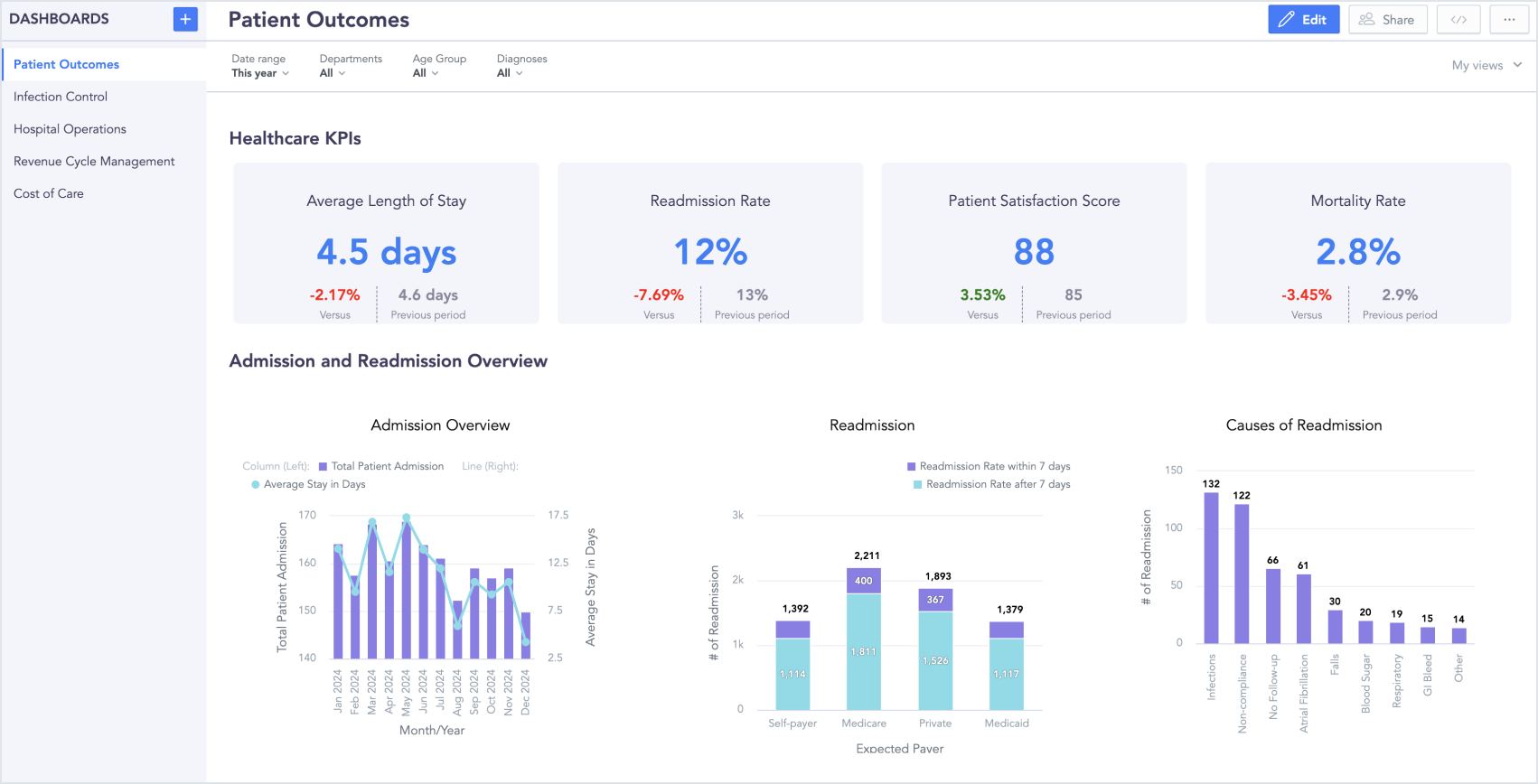
Are you tracking the right numbers to ensure your practice is not just surviving, but thriving? In today's competitive healthcare landscape, relying on intuition alone is no longer enough. The most successful practices are data-driven, meticulously tracking key performance indicators (KPIs) to inform their strategies, optimize operations, and drive consistent growth. This article will guide you through the ten most important practice growth metrics that every doctor should be monitoring.
1. Patient Acquisition Cost (PAC)
Patient Acquisition Cost is the total cost of sales and marketing efforts required to acquire a new patient. This metric is crucial for understanding the efficiency of your marketing spend and ensuring a positive return on investment. To calculate your PAC, divide your total sales and marketing expenses over a specific period by the number of new patients acquired during that same period.
Actionable Tip: Reduce Your PAC
To lower your PAC, focus on marketing channels with the highest return on investment. This could include content marketing, search engine optimization (SEO), or social media engagement. Additionally, a strong online presence and positive patient reviews can organically attract new patients, reducing your reliance on paid advertising.
2. New Patient Rate
The new patient rate measures the number of new patients your practice sees over a specific period. This is a direct indicator of your practice's growth and market reach. A steady increase in your new patient rate signifies that your marketing and outreach efforts are effective.
Actionable Tip: Increase Your New Patient Rate
To attract more new patients, ensure your practice is easily discoverable online. A modern, user-friendly website with clear calls-to-action is essential. Implementing online scheduling can also significantly boost your new patient rate by providing a convenient way for potential patients to book appointments 24/7.
3. Patient Lifetime Value (PLV)
Patient Lifetime Value is the total revenue your practice can expect to generate from a single patient over the entire duration of their relationship with your practice. This metric helps you understand the long-term value of your patients and make informed decisions about patient retention and marketing strategies.
Actionable Tip: Increase Your PLV
To increase PLV, focus on building strong patient relationships and providing exceptional care. This will lead to higher patient retention and loyalty. Additionally, offering a comprehensive range of services and effectively communicating them to your patients can increase the average revenue per patient.
4. Appointment No-Show Rate
The appointment no-show rate is the percentage of patients who fail to show up for their scheduled appointments. A high no-show rate can significantly impact your practice's revenue and operational efficiency. Tracking this metric is the first step to identifying the root causes and implementing effective solutions.
Actionable Tip: Reduce Your No-Show Rate
Automated appointment reminders are a highly effective way to reduce no-shows. DearDoc's AI-powered chat and online scheduling tools can send automated reminders via text and email, and even allow patients to confirm or reschedule their appointments with ease. This simple yet powerful tool can dramatically decrease your no-show rate and keep your schedule full.
5. Patient Satisfaction Score
The patient satisfaction score is a measure of how happy your patients are with the care and service they receive at your practice. High patient satisfaction is directly linked to patient loyalty, positive online reviews, and increased referrals. You can measure patient satisfaction through post-visit surveys and feedback forms.
Actionable Tip: Improve Patient Satisfaction
Streamlining the patient experience is key to improving satisfaction. DearDoc's digital patient forms allow patients to complete their paperwork online before their appointment, reducing wait times and creating a more efficient and pleasant check-in process. This demonstrates that you value your patients' time and are committed to providing a modern, convenient experience.
6. Online Review Ratings
In the digital age, your practice's online reputation is paramount. Online review ratings on platforms like Google, Yelp, and Healthgrades have a significant impact on your ability to attract new patients. Monitoring and managing your online reviews is no longer optional; it's a critical component of practice growth.
Actionable Tip: Improve Your Online Ratings
Proactively requesting reviews from satisfied patients is the most effective way to improve your online ratings. DearDoc's reputation management tool automates this process by sending review requests to patients after their appointments. This makes it easy for happy patients to share their positive experiences, boosting your online reputation and attracting more new patients.
7. Website Conversion Rate
Your website conversion rate is the percentage of website visitors who take a desired action, such as booking an appointment or filling out a contact form. A high conversion rate indicates that your website is effectively turning visitors into patients. You can track your website conversion rate using tools like Google Analytics.
Actionable Tip: Improve Your Website Conversion Rate
To improve your website conversion rate, make it as easy as possible for visitors to book an appointment. DearDoc's online scheduling tool can be seamlessly integrated into your website, allowing patients to book appointments in real-time, 24/7. This removes friction from the booking process and can significantly increase your website's conversion rate.
8. Payer Mix
Payer mix refers to the percentage of your practice's revenue that comes from different insurance payers. Analyzing your payer mix is essential for understanding your practice's financial health and identifying opportunities to optimize your revenue cycle. A well-balanced payer mix can help ensure a steady and predictable revenue stream.
Actionable Tip: Optimize Your Payer Mix
Regularly review your payer contracts and reimbursement rates to identify any that are underperforming. You may be able to renegotiate contracts with certain payers or focus your marketing efforts on attracting patients with more favorable insurance plans. This strategic approach to payer mix management can have a significant impact on your practice's profitability.
9. Days in Accounts Receivable (A/R)
Days in Accounts Receivable (A/R) is the average number of days it takes for your practice to collect payments for services rendered. A high number of days in A/R can indicate problems with your billing and collections process, and can negatively impact your cash flow. The goal is to keep this number as low as possible.
Actionable Tip: Reduce Days in A/R
To reduce your days in A/R, ensure that your billing and coding are accurate and that claims are submitted in a timely manner. Implementing a system for promptly following up on unpaid claims is also crucial. The more efficient your billing process, the faster you will get paid.
10. Net Collection Rate
The net collection rate is the percentage of the total allowable reimbursement that your practice actually collects. This metric provides a clear picture of the effectiveness of your revenue cycle management. A low net collection rate indicates that you are leaving money on the table.
Actionable Tip: Improve Your Net Collection Rate
To improve your net collection rate, focus on improving the accuracy of your billing and coding, and be diligent about following up on unpaid claims. Regularly auditing your billing process can help you identify and address any issues that are preventing you from collecting the full amount you are owed.
Conclusion
Tracking these ten practice growth metrics will provide you with the insights you need to make data-driven decisions, optimize your operations, and achieve sustainable growth. By consistently monitoring these KPIs, you can identify areas for improvement, capitalize on opportunities, and build a more profitable and successful practice.
Ready to take your practice to the next level? Learn how DearDoc's AI-powered growth platform can help you track and improve these essential metrics. Schedule a demo today!
Ready to grow your practice?
See how DearDoc can help you attract more patients and streamline your operations with a free demo.
Get a free demo